



Targeting Visceral Fat: The Science Behind Tesamorelin and VAT

quick contact

Have a question about a compound, reconstitution protocol, or COA? Our analytical team responds within one business day.

our social medias

Facebook
Twitter
LinkedIn

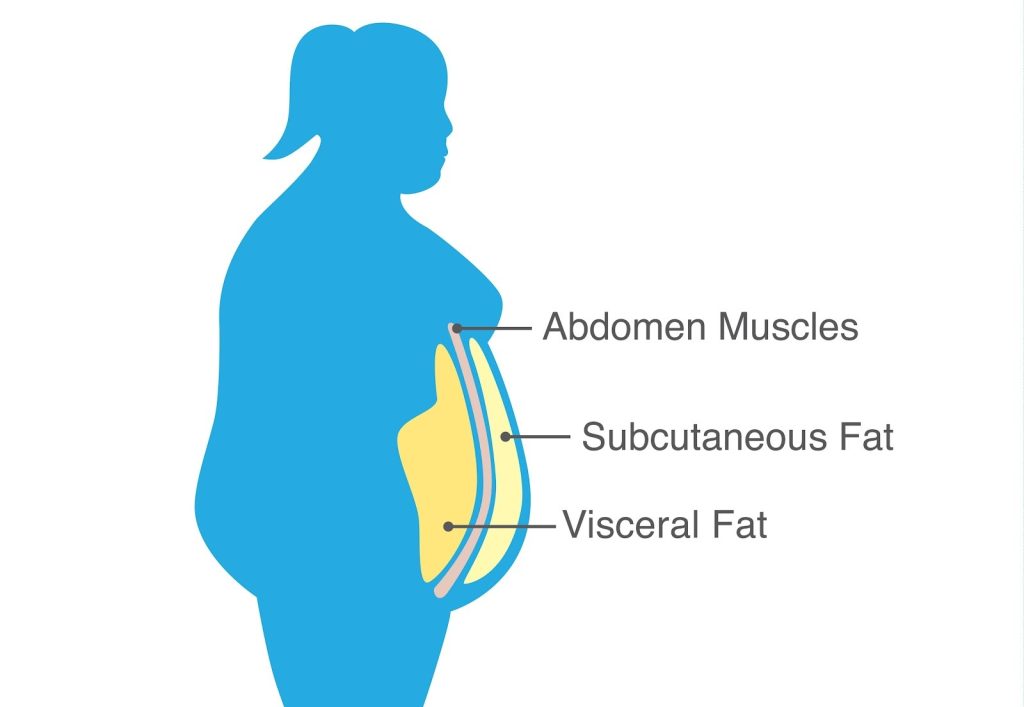
In the study of metabolic disorders, not all adipose tissue is created equal. While subcutaneous fat resides just beneath the skin, Visceral Adipose Tissue (VAT) surrounds internal organs and is a primary driver of systemic inflammation and insulin resistance. Tesamorelin is a synthetic analogue of Growth Hormone-Releasing Hormone (GHRH) consisting of all 44 amino acids of human GHRH with the addition of a trans-3-hexenoic acid group. In clinical research, Tesamorelin is uniquely effective because it stimulates the endogenous secretion of Growth Hormone (GH), which specifically targets the reduction of VAT without the significant side effects associated with synthetic GH. For Canadian researchers, Tesamorelin represents the most precise tool for investigating the reversal of “belly fat” related metabolic decline.

The GHRH-GH-IGF-1 Axis

Tesamorelin functions as a GHRH agonist. Unlike injecting synthetic Growth Hormone directly, which can lead to “shutting down” the body’s natural production, Tesamorelin encourages the pituitary gland to release its own GH in a natural, pulsatile manner.

How it Specifically Targets VAT:

  1. Lipolysis Activation: Growth Hormone binds to receptors on adipocytes (fat cells), triggering the breakdown of triglycerides into free fatty acids.
  2. Visceral Sensitivity: Visceral fat cells have a higher density of Growth Hormone receptors compared to subcutaneous fat, making them more sensitive to the lipolytic effects of the GH surge induced by Tesamorelin.
  3. IGF-1 Modulation: Tesamorelin increases levels of Insulin-like Growth Factor 1 (IGF-1), which mediates many of the anabolic and metabolic benefits of GH while maintaining a safer glycemic profile than exogenous GH.

Tesamorelin in 2026 Research: Beyond Lipodystrophy

While originally studied for HIV-associated lipodystrophy, current 2026 research has expanded into:

  • NAFLD/NASH: Investigating the reduction of liver fat through GHRH stimulation.
  • Cognitive Decline: Exploring the link between GH levels and proteopathic clearance in the brain.
  • Metabolic Syndrome: Studies on improving carotid intima-media thickness (CIMT) by reducing systemic VAT inflammation.

Technical Comparison: Tesamorelin vs. Ipamorelin

FeatureTesamorelin (GHRH Analogue)Ipamorelin (Ghrelin Mimetic)
Structure44-Amino Acid ChainPentapeptide
PotencyHigh (Specifically for VAT)Moderate (General GH release)
MechanismPituitary GHRH ReceptorGhrelin Receptor (GHSR)
Clinical FocusMetabolic / Adipose ResearchRecovery / Muscle Growth

Laboratory SOPs and Canadian Stability Standards

Tesamorelin is a large, complex peptide (44 amino acids), making it significantly more fragile than smaller fragments like BPC-157.

The “Reconstitution Sensitivity”

“In our laboratory testing, we have found that Tesamorelin is highly prone to aggregation. If you inject the diluent directly onto the lyophilized powder at high pressure, it can cause the peptide to clump, rendering it biologically inactive. We advise Canadian researchers to ‘aim for the glass,’ letting the Bacteriostatic Water trickle down the side of the vial and gently rotate (do not shake) until the solution is perfectly clear.”

Storage Requirements

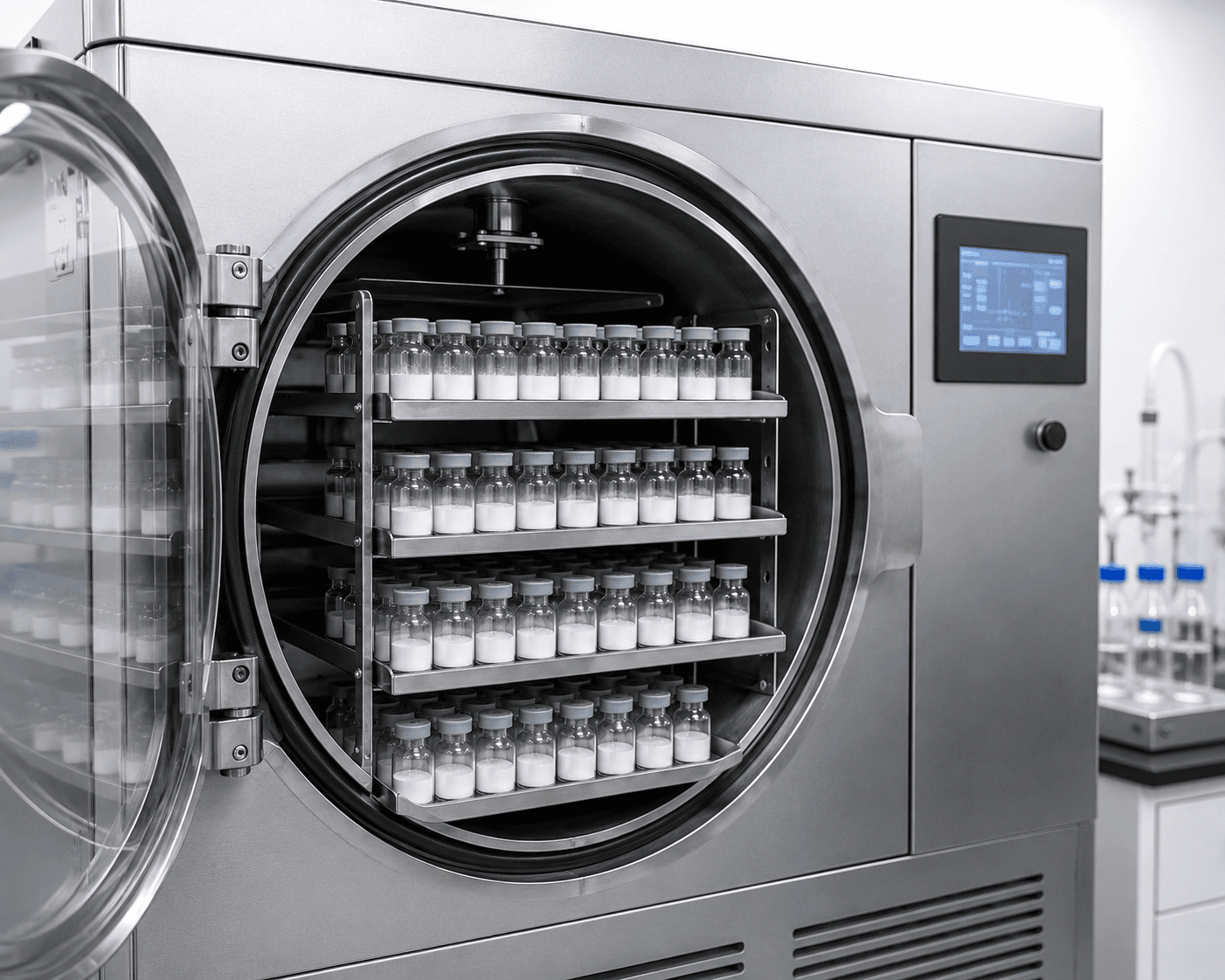
  • Lyophilized: Must be kept at -20°C for long-term stability.
  • Reconstituted: Use within 7–14 days for maximum efficacy, as the 44-amino acid structure begins to degrade faster than smaller peptides once in solution.

References

  1. Journal of Clinical Endocrinology & Metabolism (2024): “Long-term effects of Tesamorelin on visceral fat and carotid artery health.”
  2. Nature Reviews Endocrinology: “The role of the GHRH-GH axis in adipose tissue distribution.”
  3. Health Canada (2026): “Regulatory update on synthetic secretagogues for metabolic research.”
  4. The Lancet: “Tesamorelin and its impact on non-alcoholic fatty liver disease (NAFLD).”

Leave a Reply

Your email address will not be published. Required fields are marked *

Performance Peptides Canada

Experience unparalleled research integrity with 99%+ purity guaranteed via third-party HPLC testing, supported by 100% domestic Canadian fulfillment and expert technical guidance for every reconstitution and storage inquiry.