- FREE Shipping with spend over $150
- We've moved! performancepeptidescanada.co same team, same products, same quality.
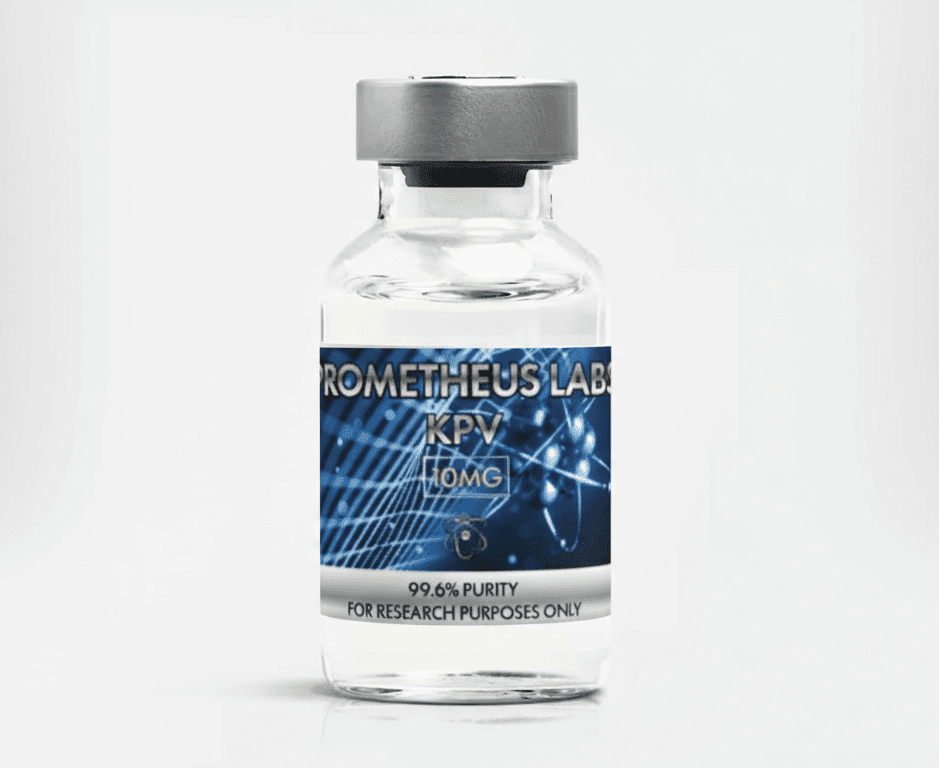
$75.00
KPV is a C-terminal tripeptide fragment (Lys-Pro-Val) of the larger Alpha-Melanocyte Stimulating Hormone (alpha-MSH). Despite its small size, KPV retains the potent anti-inflammatory and anti-microbial properties of alpha-MSH without the melanotropic (tanning) side effects. It is a primary entity in the study of inflammatory bowel disease (IBD), dermatological pathology, and mast cell stabilization.
Performance Peptides Canada provides this research 10mg vials of KPV, each verified at 99%+ purity. Our domestic Canadian fulfillment ensures that your long-term research projects are supported by consistent, high-purity ligands with no customs interruptions.
Our KPV is synthesized to rigorous analytical standards:
KPV’s efficacy is studied through its ability to enter the cell and interact directly with signaling molecules.
KPV is a potent inhibitor of Nuclear Factor-kappa B (NF-kappa B), a master regulator of the inflammatory response. In intestinal and dermal cell models, KPV has been shown to translocate into the nucleus and inhibit the expression of pro-inflammatory cytokines such as TNF-alpha and IL-8. This makes it an essential tool for researching Crohn’s disease and Ulcerative Colitis.
Beyond inflammation, KPV is investigated for its antimicrobial effects, specifically against pathogens like Staphylococcus aureus and Candida albicans. It is frequently utilized in dermatological research to observe how it reduces edema and accelerates the healing of chronic wounds through the suppression of inflammatory cell infiltration.
Newer research utilizes KPV to study its effects on mast cell activation. By stabilizing these cells, KPV is a primary entity for investigating allergic responses and Histamine Intolerance (HIT) in complex biological models.
KPV is an exceptionally stable tripeptide, but laboratory precision remains paramount:
| Storage Condition | Physical State | Estimated Stability |
| -20°C (Freezer) | Lyophilized (Dry) | 24+ Months |
| 2°C to 8°C (Fridge) | Lyophilized (Dry) | 12 Months |
| 2°C to 8°C (Fridge) | Reconstituted | 21–30 Days |
Q: Does KPV cause skin darkening like Melanotan II?
A: No. While KPV is a fragment of alpha-MSH, it does not contain the sequence responsible for melanogenesis (skin pigment production). It is used strictly for researching inflammatory and immune pathways.
Q: Is your KPV shipped from within Canada?
A: Yes. Performance Peptides Canada provides 100% domestic shipping. This is especially beneficial for bulk kits, as it eliminates the high cost and risk of customs seizures associated with importing large quantities of research peptides.
| Weight | 500mg |
|---|
Only logged in customers who have purchased this product may leave a review.


Explore premium-grade peptides for scientific research, purity tested, lab certified, and shipped discreetly.

Automated page speed optimizations for fast site performance

Reviews
There are no reviews yet.