

$100.00
Follistatin-344 (FST-344) is a follistatin glycoprotein that binds activin and myostatin (GDF-8), two TGF-β superfamily ligands, making it a reference tool for studying Smad pathway signalling in vitro. Supplied by Prometheus Labs as 1mg lyophilised powder for laboratory research, it is used to study how sequestering myostatin limits its binding to the activin type IIB receptor. Shipped from Canada by Performance Peptides Canada. For laboratory research use only. Not for human or animal consumption.
Follistatin-344 (FST-344) is named for the full-length human follistatin preprotein, which is 344 amino acids long including a signal peptide. Processing yields the mature 315-residue form (FS315), and a shorter isoform, FS288, lacks the acidic C-terminal tail. The table shows how the isoforms differ.
| Isoform | Reported behaviour in the literature |
|---|---|
| FS288 | Binds heparan sulfate and associates with the cell surface |
| FS315 | Reduced heparin affinity and more serum-available, so it can act away from its source |
Follistatin binds activin and myostatin directly, which blocks them from engaging their receptors. Myostatin (GDF-8) signals through the activin type IIB receptor and the Smad2/3 pathway. A follistatin-bound ligand cannot activate that receptor, so follistatin is used to study the contribution of these ligands in cell culture and in published model-system literature.
Myostatin is characterised in the literature as a negative regulator of skeletal muscle mass, which is why follistatin is a common reagent in muscle biology research. In cell culture it is used in myoblast differentiation assays to study how myostatin and activin signalling influence myogenic gene expression. This page describes research applications only and makes no claim about outcomes.
Follistatin is not selective for a single ligand. It also neutralises activin, so cell culture results should be interpreted as reflecting several TGF-β superfamily ligands and not myostatin alone. Follistatin is not selective for a single ligand. It also neutralises activin, so cell culture results should be interpreted as reflecting several TGF-β superfamily ligands and not myostatin alone. ACE-031, a soluble activin type IIB receptor fusion protein, is another ligand-binding tool used to study this pathway. Related ligand-binding questions lead into the activin and FSH section below.
Follistatin neutralises activin, and activin stimulates follicle-stimulating hormone (FSH) secretion from the pituitary. Follistatin is also reported to be necessary for normal embryonic and ovarian follicle development, which makes it a standard reagent in reproductive endocrinology research. The same TGF-β superfamily signalling also appears in fibrosis research, covered next.
TGF-β superfamily ligands are a recognised driver of fibroblast activation in fibrosis research. Follistatin is used as a tool to probe how activin and myostatin contribute to those signalling networks in tissue culture and model systems. This page describes research applications only and makes no claim about outcomes.
| Parameter | Detail |
|---|---|
| Product | Follistatin-344 (FST-344), 1mg |
| Supplier | Prometheus Labs |
| Class | Follistatin protein, TGF-β superfamily ligand antagonist |
| Form | Lyophilised powder |
| Molecular weight | ~35.0–38.0 kDa (due to glycosylation) |
| Analytical data | ≥99.0% (Verified via HPLC/SEC) |
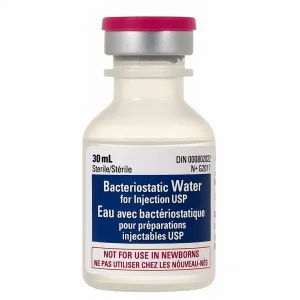
Reconstitute according to the supplier datasheet, using sterile, endotoxin-tested laboratory-grade water or buffer. Swirl gently until dissolved and do not vortex or shake, because agitation can damage the folding of large proteins. The solution should be clear and colourless. Prepare only what the experiment needs and aliquot the rest to limit freeze-thaw cycles.
Store the lyophilised powder at or below -20°C and follow the supplier datasheet for reconstituted stability.
| Storage Condition | Physical State | Estimated Stability |
| -20°C (Freezer) | Lyophilized (Dry) | 24 Months |
| 2°C to 8°C (Fridge) | Lyophilized (Dry) | 12 Months |
| 2°C to 8°C (Fridge) | Reconstituted | 5–7 Days |
Follistatin-344 is sensitive to repeated freeze-thaw cycles, so aliquot after reconstitution.
Q: What is the difference between FS288, FS315 and Follistatin-344?
A: Follistatin-344 is the full-length human preprotein, which includes a 29-residue signal peptide. Processing yields the mature 315-residue form (FS315). FS288 is the shorter isoform and lacks the acidic C-terminal tail. FS288 associates with cell surfaces through heparan sulfate, while FS315 is more serum-available.
Q: Which ligands does follistatin bind?
A: Follistatin binds activin and myostatin (GDF-8), both TGF-β superfamily members. Binding prevents them from engaging their receptors, which is why follistatin is used to study their signalling in vitro.
Q: How should reconstituted Follistatin-344 be stored?
A: Follow the supplier datasheet. As a large protein it is sensitive to repeated freeze-thaw cycles, so aliquot after reconstitution and prepare only what the experiment needs.
Q: Is this product shipped from within Canada?
A: Yes. Performance Peptides Canada ships from within Canada, and shorter transit times are preferable for temperature-sensitive proteins.
For laboratory research use only. Not for human or animal consumption.
Lerch TF, Shimasaki S, Woodruff TK, Jardetzky TS. Structural and biophysical coupling of heparin and activin binding to follistatin isoform functions. J Biol Chem. 2007;282(21):15930-15939. PMID 17409095.
UniProt P19883 (human follistatin).
RCSB PDB 2P6A (activin A and follistatin 315 complex).
Only logged in customers who have purchased this product may leave a review.


Explore premium-grade peptides for scientific research, purity tested, lab certified, and shipped discreetly.

Reviews
There are no reviews yet.