
Have a question about a compound, reconstitution protocol, or COA? Our analytical team responds within one business day.
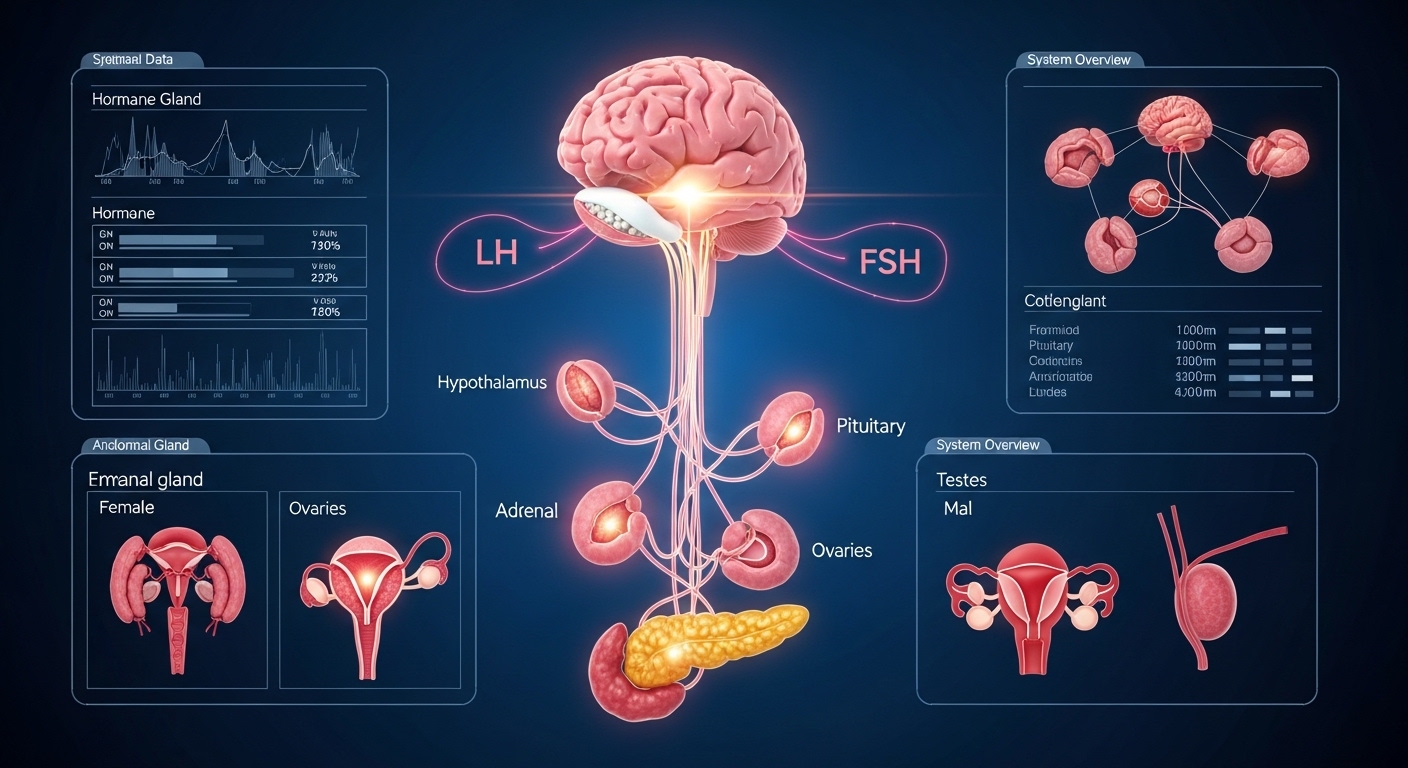
In the complex field of endocrinology, maintaining the integrity of the Hypothalamic-Pituitary-Testicular Axis (HPTA) is the primary challenge when introducing exogenous compounds. Human Chorionic Gonadotropin (HCG) is a glycoprotein hormone that serves as a molecular analogue to Luteinizing Hormone (LH). By binding to the LHCGR receptors on Leydig cells, HCG maintains intratesticular testosterone (ITT) production even when the upstream pituitary gland is suppressed. For Canadian researchers, HCG is a vital tool for preventing gonadal atrophy and ensuring the reversibility of endocrine models. Sourcing HCG from a domestic Canadian supplier eliminates the customs exposure and thermal degradation risk that compromises glycoprotein stability in international shipments.
The efficacy of HCG in research stems from its structural similarity to LH. Both hormones share an identical alpha subunit, while the beta subunit of HCG contains an additional 24-amino acid tail. This structural nuance results in a significantly longer biological half-life (approx. 24–36 hours) compared to the 20-minute half-life of endogenous LH.
When a research model is exposed to exogenous androgens, the hypothalamus detects high systemic levels and halts the secretion of Gonadotropin-Releasing Hormone (GnRH). This triggers a “shutdown” of the pituitary’s LH production.
A critical distinction in 2026 research is understanding that HCG does not “restart” the HPTA; it maintains the gonads while the HPTA is suppressed. Because HCG stimulates testosterone production (which then aromatizes into estrogen), it actually reinforces the negative feedback loop at the hypothalamus and pituitary levels.
As a previous Senior Research Consultant, I have observed that historical “bolus” dosing (large, infrequent doses) is largely obsolete in 2026. Modern protocols emphasize Leydig Cell Sensitivity.
Parameter | Bolus Dosing (Old Standard) | Micro-Dosing (2026 Standard) |
Dose Amount | 1,000 IU – 5,000 IU | 250 IU – 500 IU |
Frequency | Once Weekly | 2-3 Times Weekly |
Estrogen Spike | Significant (Aromatase Induction) | Minimal |
Receptor Sensitivity | Risk of Downregulation | Maintained |
“One of the most common oversights in endocrine modeling is the surge of estrogen caused by excessive HCG. High doses of HCG don’t just increase testosterone; they upregulate the aromatase enzyme within the testes themselves. This can lead to an experimental bias where ‘estrogenic side effects’ dominate the data, masking the intended results of the androgenic study.”
HCG is a delicate glycoprotein. For labs in Toronto’s Discovery District or Vancouver’s biotech corridor, the “Cold-Chain” is non-negotiable.
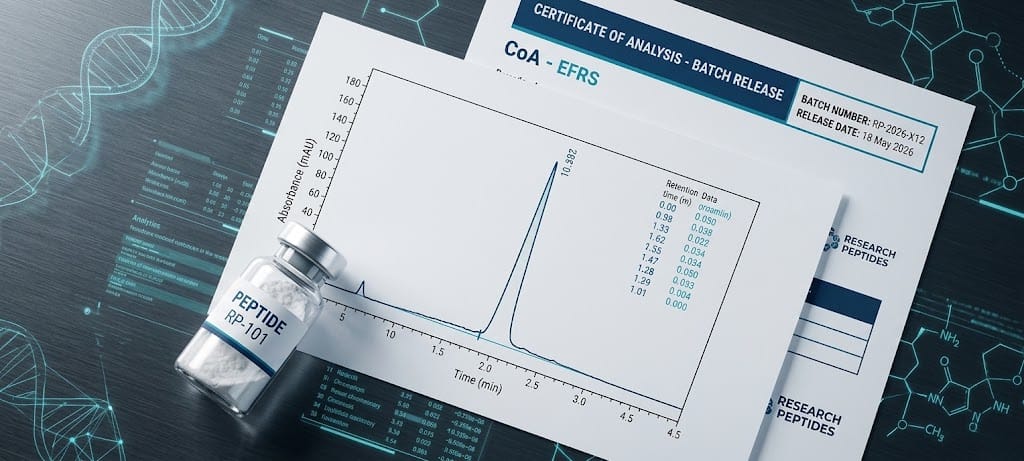
Experience unparalleled research integrity with 99%+ purity guaranteed via third-party HPLC testing, supported by 100% domestic Canadian fulfillment and expert technical guidance for every reconstitution and storage inquiry.