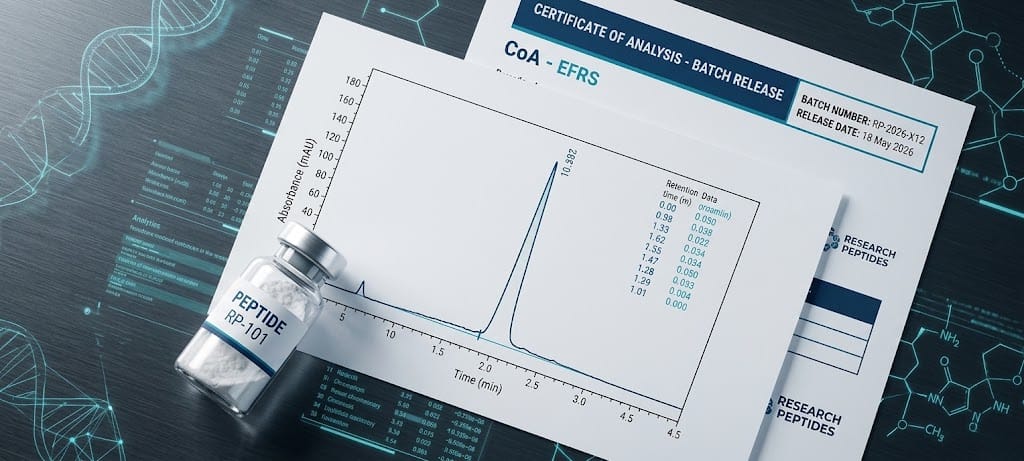

Have a question about a compound, reconstitution protocol, or COA? Our analytical team responds within one business day.
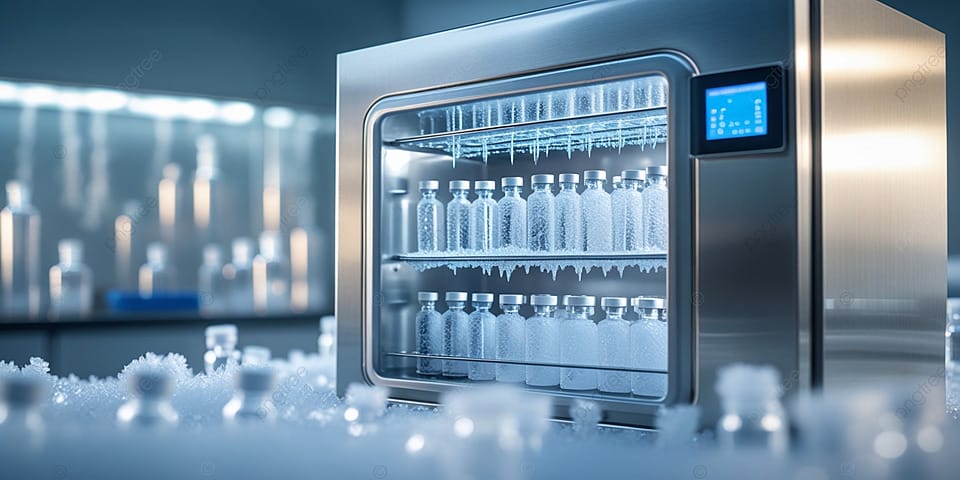
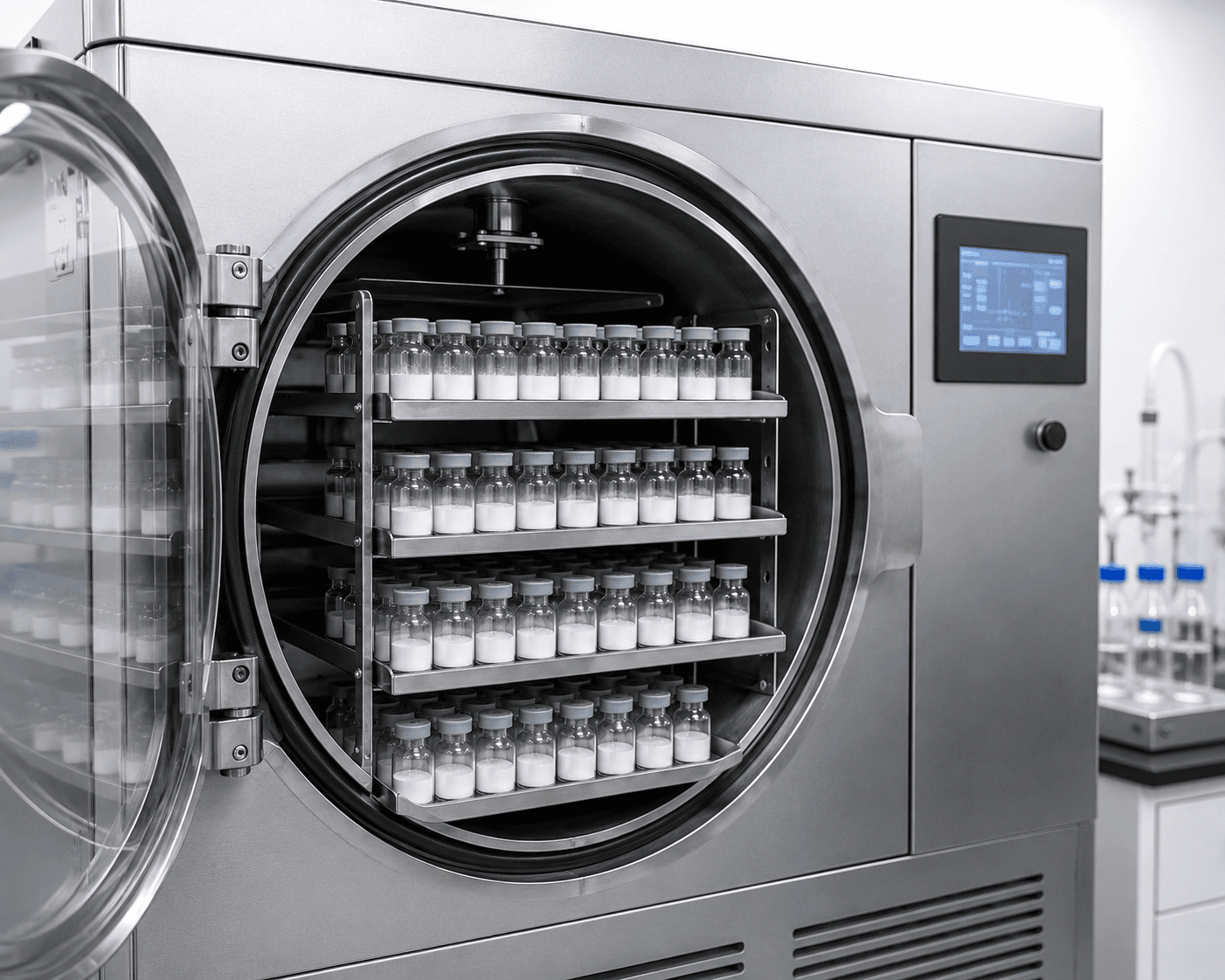
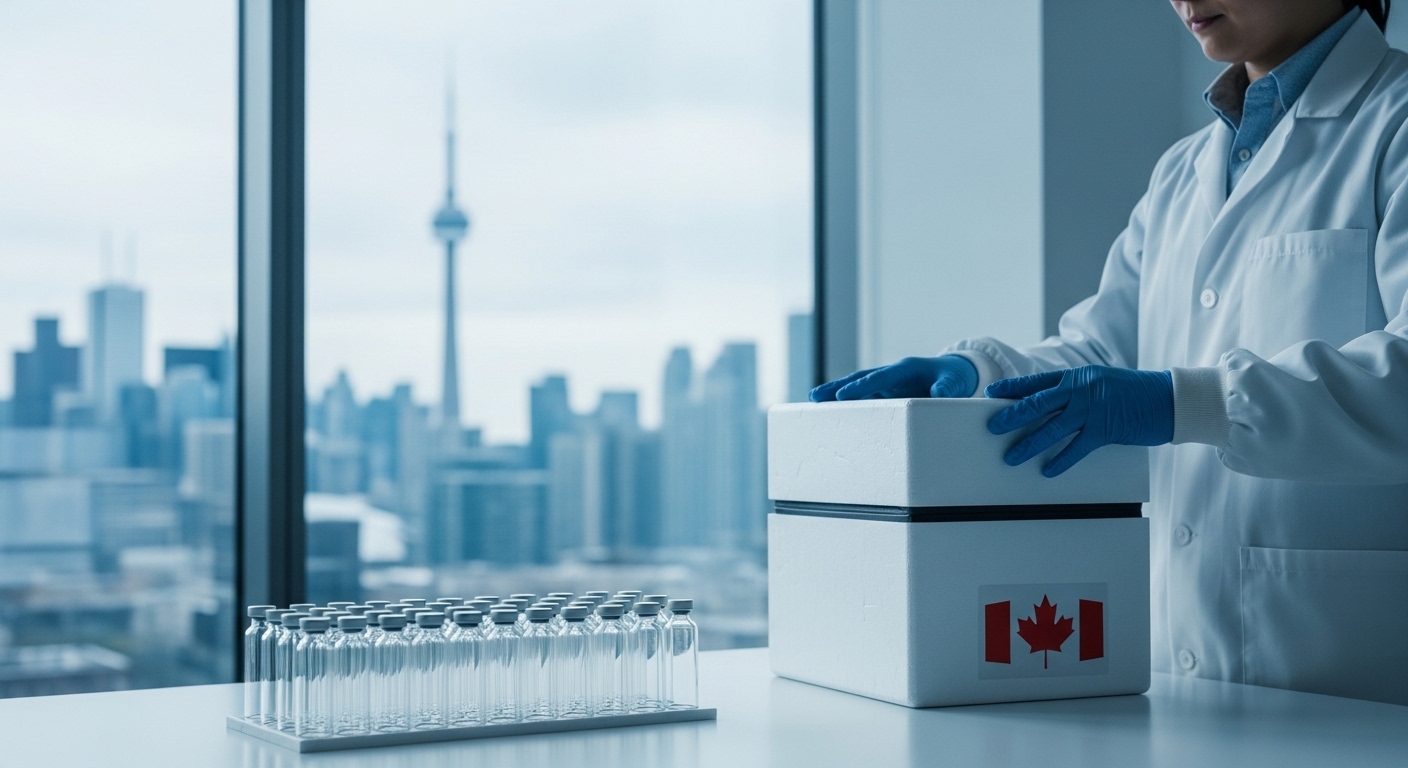
For life sciences researchers in Canada, the journey of a peptide from the synthesizer to the laboratory bench is fraught with variables. While global sourcing offers a wide array of options, the “Customs Gap” has become the leading cause of compromised research data in 2026. Domestic shipping is no longer a matter of convenience; it is a fundamental requirement for maintaining “Cold-Chain” integrity and avoiding the increasingly stringent CBSA (Canada Border Services Agency) inspection protocols. With the implementation of the Prohibition of Certain Toxic Substances Regulations 2025, international shipments of synthetic reagents face unprecedented scrutiny, often resulting in weeks of non-climate-controlled storage that can lead to peptide deamidation and irreversible loss of potency. Compounds such as Tesamorelin and TB-500 are among the most thermally sensitive sequences in our catalog and among the most vulnerable to customs hold degradation.
As of early 2026, the border environment for research chemicals has shifted. The Canadian government has intensified its focus on the “incidental presence” of prohibited substances in imported chemical feedstock.
In the Canadian climate, “Cold-Chain” logistics must account for extreme fluctuations—from -30°C in the Prairies to +30°C in Southern Ontario.
| Feature | Domestic (Canadian) Fulfillment | International (Import) Shipping |
| Average Transit Time | 1–3 Business Days | 10–25 Business Days |
| Customs Risk | 0% | High (Seizure or Delay) |
| Temperature Control | Maintained (Short Window) | High Risk of Failure (Long Window) |
| Regulatory Compliance | Pre-Verified for Canadian Market | Subject to 2026 CBSA/DSL Audits |
| Data Integrity | High (Stable Materials) | Variable (Potential Degradation) |
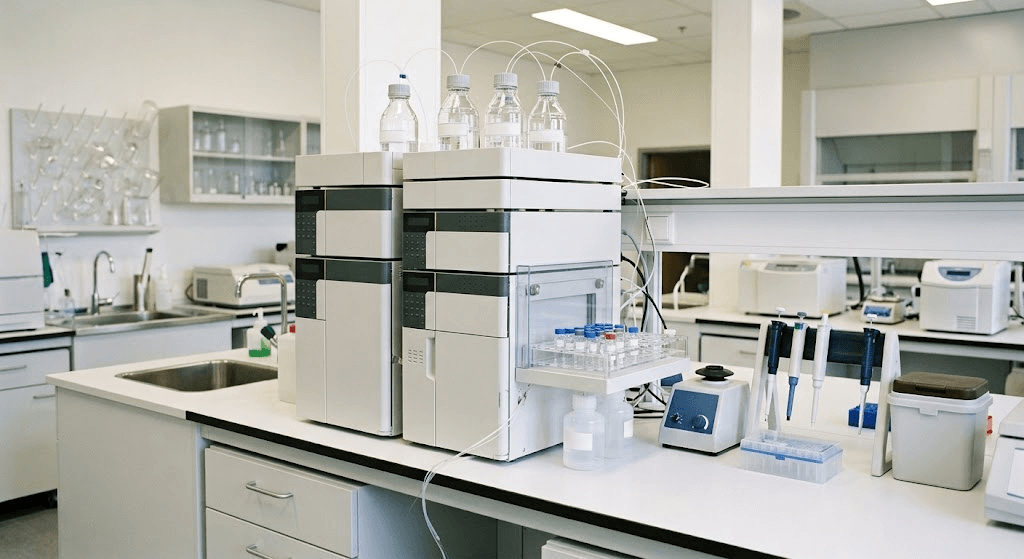
“In 2025, we consulted for a university lab that lost a $15,000 research grant due to inconsistent results. The culprit? A batch of BPC-157 that had sat in a CBSA warehouse in Mississauga for 12 days during a heatwave. On the surface, the lyophilized powder looked identical to a fresh batch, but HPLC analysis later revealed a 22% purity drop due to thermal deamidation. In 2026, the cheapest peptide is the one that actually works when it arrives.”
To ensure your research remains on schedule and your data remains reproducible:
Experience unparalleled research integrity with 99%+ purity guaranteed via third-party HPLC testing, supported by 100% domestic Canadian fulfillment and expert technical guidance for every reconstitution and storage inquiry.